
Illegal Wildlife Trade and Over-Harvesting of Medicinal Plants: Pakistan’s Natural Heritage at Risk
 Rabab Ibrahim
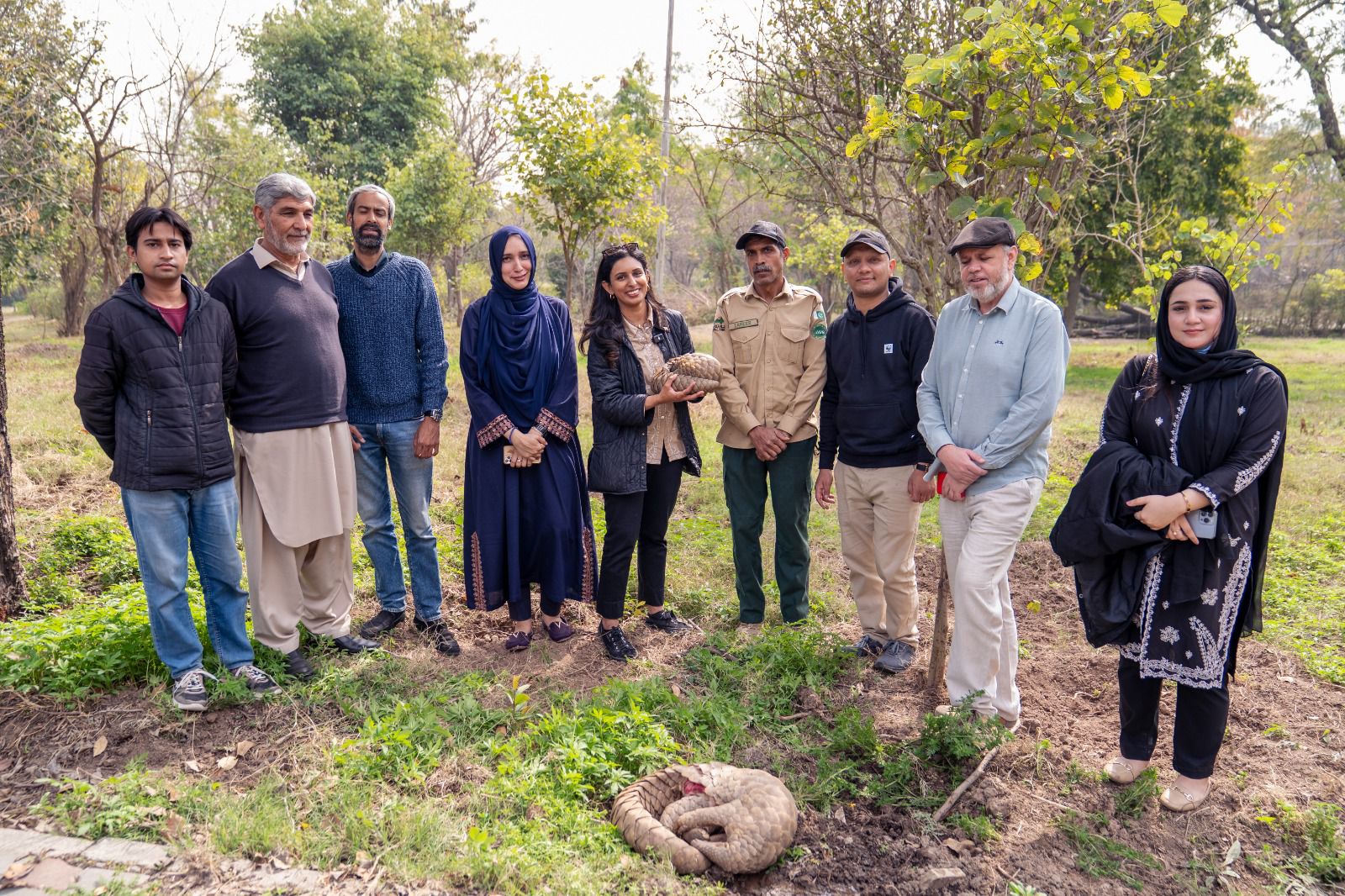
If forests fall silent, rare animals vanish from sight, and precious mountain plants begin to disappear, it is not merely a loss of natural beauty—it becomes a grave threat to human life and the economy. This is the scenario emerging in Pakistan, where the illegal wildlife trade and the indiscriminate cutting of medicinal plants are becoming significant threats to the country’s biological wealth.
On World Wildlife Day 2026, the environmental organization WWF-Pakistan warned that without immediate and effective measures, several species of animals and plants could vanish from their natural habitats forever.
In messages issued from Islamabad, Lahore, and Karachi, WWF-Pakistan stated that the illegal wildlife trade has become a major global environmental issue. Pakistan frequently serves as both a source and a transit route for these illicit networks. This situation is endangering various species of animals and plants while further weakening already stressed ecosystems.
Illegal Trade: A Growing Crisis
According to experts, the smuggling of wild animals and plants is a lucrative yet illegal business involving many countries. In Pakistan, reptiles, mammals, birds, and valuable medicinal plants are obtained through illegal hunting or illicit methods. This practice not only depletes wildlife populations but also disrupts the natural ecosystems of forests, mountains, and deserts.
Environmentalists point out that when animals or plants are removed from an area in large numbers, the impact is felt throughout the entire ecological system. Many animals play vital roles in seed dispersal, balancing insect populations, and maintaining the environment. Similarly, many plants help stabilize soil, absorb rainwater, and provide livelihoods for local communities.
WWF-Pakistan is working alongside government departments and other stakeholders to curb illegal poaching and trade by strengthening law enforcement and improving coordination between relevant agencies.
Training and Awareness Efforts
Muhammad Jamshed Iqbal Chaudhry, Senior Manager of Conservation at WWF-Pakistan, stated that the organization has developed a comprehensive training program to prevent wildlife crimes. Training sessions are being conducted across the country, covering topics such as:
* Modern wildlife monitoring techniques.
* Identification of various animal and plant species.
* Investigation of wildlife crimes.
* Ranger safety and the safe handling of animals.
He noted that over 1,200 individuals have been sensitized through this program so far, including local community members, students, journalists, and local leaders. Experts believe that increasing public awareness is crucial, as local populations are often the first to witness activities in forests and mountainous regions.
Positive Developments in Deva Vatala National Park
Recent activities in the Deva Vatala National Park in Azad Jammu and Kashmir (AJK) are being cited as a positive example of wildlife conservation. In collaboration with local communities and the AJK Wildlife Department, the environmental organization rescued and released several animals back into the wild.
These included:
* Rock Pythons
* Indian Pangolins
* Barking Deer
* Alexandrine Parrots
Experts suggest that such initiatives not only aid the survival of rare species but also foster a sense of conservation among local residents. Rab Nawaz, Senior Director of Programs at WWF-Pakistan, emphasized that effective conservation is impossible without strict legal enforcement and public participation.
Medicinal Plants Under Threat
The theme for this year’s World Wildlife Day focuses on the "Conservation of Medicinal and Aromatic Plants." Pakistan is home to a vast array of plants used in traditional medicine, herbal drugs, and local industries.
Key species include:
* Shatavari, Viola (Banafsha), Jatamansi, and Kuth.
* Guggal: A precious resin obtained from the arid regions of Balochistan and Sindh.
* Ephedra and Bergenia ciliata: Collected from northern forests for medicinal purposes.
Due to rising demand, these plants are being harvested at an alarming rate. In many cases, they are uprooted entirely, making regrowth impossible. This risks the extinction of these species and threatens the livelihoods of local collectors.
Global Context and Solutions
The global demand for herbal medicine is rising, yet experts warn that natural reserves could be depleted if harvesting is not managed sustainably. Internationally, more than 20% of medicinal plants are now threatened with extinction due to habitat loss, climate change, and illegal trade.
What is the solution?
Experts argue that strict laws alone are not enough; a comprehensive strategy is required, including:
* Improved Forest Management: Stronger monitoring and research.
* Community Involvement: Training locals in sustainable harvesting techniques (e.g., not uprooting the whole plant).
* Cultivation: Promoting the farming of medicinal plants to reduce the pressure on wild forests.
Pakistan is rich in natural resources, but protecting this wealth requires a joint effort from the government, local communities, and the public. If timely action is not taken, future generations may only see these precious species in books and photographs.