Hindus Panchayats demand naming of new bridge after Independence Icons
 Chehra WebDesk
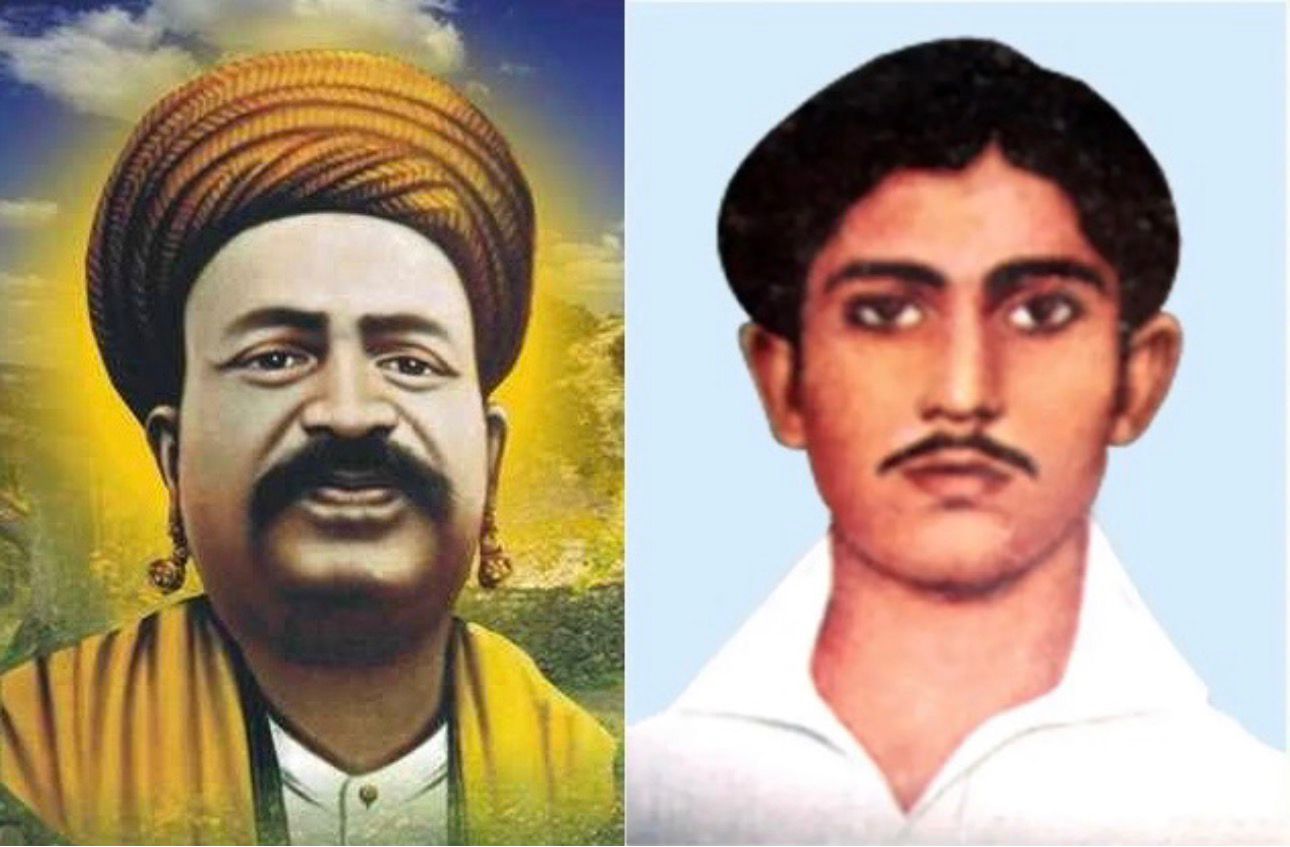
SUKKUR/LARKANA: As the steel and concrete of two major bridge projects begin to span the Indus in Upper Sindh, a more profound bridging of the province’s fractured historical narrative is being sought. In a rare and powerful show of collective resolve, the Chairmen and Mukhis of the Hindu Panchayats of Larkana, Sukkur, Ghotki, and Kashmore have issued a unified appeal to Bilawal House, urging the PPP Chairman to immortalize two of Sindh's most iconic sons: Bhagat Kanwar Ram and Shaheed Hemu Kalani.
The request is as much about infrastructure as it is about identity. For the Hindu community—the demographic and economic backbone of these districts—the naming of these bridges represents a long-overdue "dignified gift" of belonging. It is a demand for the state to recognize the indigenous roots of those who have called this soil home for millennia.
A Bridge for the Saint of Peace
The Ghotki–Kandhkot Bridge, currently progressing at a breakneck pace and slated for inauguration this year, is the first focal point. The joint demand by the regional Panchayats to name it after Amar Shaheed Bhagat Kanwar Ram (1885–1939) is steeped in the Sufi-Sanskritic synthesis that once defined the Indus Valley.
Kanwar Ram was not merely a mystic; he was a humanitarian martyred for his refusal to surrender to the communal fires of the pre-partition era. For the thousands of devotees navigating the pilgrimage to Sacho Satram Dham, the bridge is more than a transit point; it is a spiritual artery. By naming it after the Bhagat, the Sindh government would be doing more than honoring a minority icon—it would be reclaiming the province's reputation as a bastion of Wahdat-ul-Wajood.
The Gallows of Sukkur
The second petition concerns the proposed Sukkur–Rohri bridge, planned adjacent to the colonial-era Lansdowne Bridge. Here, the community leadership seeks to honor Shaheed Hemu Kalani, the 19-year-old revolutionary who was hanged by the British in Sukkur in 1943.
The collective argument from the Mukhis of the four districts is compelling: Hemu Kalani was an indigenous freedom fighter whose sacrifice transcends religious lines. In a landscape often dominated by imported narratives, the naming of this bridge would serve as a permanent reminder that the struggle for this land's liberation was a shared endeavor. It is a call for "Dharti Vas" pride—a recognition of the sons of the soil who refused to be spectators in their own history.
The Political Litmus Test
This is not a sudden appeal. The Hindu leadership of Upper Sindh has navigated a wearying labyrinth of officialdom—meeting with MNAs, Senators, and writing to the President, the Prime Minister, and the Chief Minister. Having exhausted the traditional bureaucratic channels, they have now turned their hopes toward Bilawal Bhutto Zardari.
The PPP has long positioned itself as the vanguard of minority rights and the champion of a progressive, pluralistic Pakistan. The regional Panchayats argue that if the party’s leadership can rename airports and major arteries after political figures, it must surely find the will to honor the martyrs who embody the very pluralism the party claims to defend.
As the Ghotki-Kandhkot bridge nears its opening ceremony this year, the ball is firmly in the court of Bilawal House. To name these crossings after Bhagat Kanwar Ram and Hemu Kalani would be a masterful stroke of historical justice—a signal to the world that Sindh’s bridges do not just carry vehicles, but the weight of its shared heritage and conscience.