Bridging the Gap: Sindh’s Bold Roadmap to Rescue 7.4 Million ‘Out-of-School’ Children
 Maryam Sadiqa

With over 7.4 million children currently out of school in Sindh—nearly 44% of the province’s school-aged population—the provincial government has launched an aggressive five-year reform strategy. Focused heavily on marginalized regions like Tharparkar, the initiative aims to dismantle the structural barriers of poverty, gender disparity, and inadequate infrastructure that have long plagued the education sector.

The Scale of the Crisis
National data paints a sobering picture: Pakistan hosts 26.21 million out-of-school children (OOSC). While Balochistan faces the highest percentage (69%), Sindh’s sheer volume of 7.4 million highlights a deepening crisis.
Experts point to a "disturbing" landscape where education spending has dipped to 0.8% of GDP* in 2024–25. Furthermore, approximately 90% of the existing budget is consumed by recurring costs like salaries, leaving a mere 10% for the innovation and infrastructure needed to reach remote desert regions like Tharparkar.
The Reform Strategy: 2026–2030 Roadmap
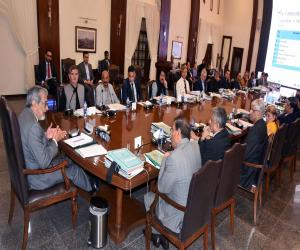
Under the leadership of Education Minister Syed Sardar Ali Shah, the Sindh government has committed to a multi-sectoral five-year roadmap (2026–2030). The goal is ambitious: enrolling 50% of the current OOSC population** by the end of the decade.
Key Pillars of the Reform:
Non-Formal Education (NFE): Targeted at children aged 9–16 who have never attended school or dropped out early.
Accelerated Learning Programs (ALP): A specialized curriculum that allows students to complete primary education in just 24 to 30 months.
Digital Integration:The establishment of "Micro-Schools" and digital classrooms utilizing tablet-based learning to bridge the teacher-shortage gap.
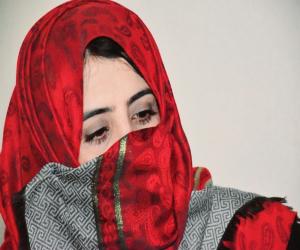
Financial Incentives: Scholarship programs and cash transfers specifically designed to encourage families in rural areas to send girls to school.
Focus on Tharparkar and Mirpurkhas
The second phase of the NFE rollout has prioritized districts with the lowest literacy rates, including **Tharparkar, Umerkot, and Jacobabad.
In the Mirpurkhas region alone, the Thar Education Alliance and the Sindh Education Foundation (SEF) have already operationalized 120 NFE centers. These centers currently serve over 3,600 students, more than half of whom are girls. By shifting the focus to vocational training alongside basic literacy, the government aims to provide these students with immediate, practical paths out of poverty.
"We aren't just opening buildings; we are creating a second chance for children who were written off by the system," stated Minister Syed Sardar Ali Shah during a recent UNESCO briefing.
Transparency and Monitoring
To avoid the "ghost school" issues of the past, the Directorate of Literacy and Non-Formal Education has introduced a digital dashboard for real-time monitoring. Over 500 tracking devices have been distributed to ensure that centers remain operational and that student attendance is accurately recorded.

With a Rs 4 billion allocation for the upcoming fiscal year and strengthened partnerships with international donors like JICA, Sindh is betting on a decentralized, tech-driven model to finally turn the tide on its education emergency.