Journalists Trained on Climate Governance and Disaster Reporting at Makli Necropolis
 Fouzia Jamil
Makli, Thatta — A one-day training workshop titled “The Role of Media in Disaster Management and Climate Governance” was organized at Makli Necropolis, a UNESCO World Heritage site. The event was jointly hosted by Green Media Initiatives and Accountability Lab, with participation from journalists of Thatta Press Club Makli and Karachi.

The workshop began with Quran recitation by Fayazullah Khan. Senior journalist Muhammad Taban Zafar stressed that credible journalism requires verification, impartiality, and research. He noted that quality reporting must include facts, background, voices of affected communities, statistics, and possible solutions.

Speakers included Green Media Initiatives CEO Shabina Faraz, Transparency International Pakistan’s Program Associate Fariha Fatima, Makli Necropolis Incharge Sarfaraz Jatoi, and Thatta Press Club Makli President Shiraz Kario. Shabina Faraz emphasized balanced climate reporting, avoiding sensationalism.


Fariha Fatima highlighted the importance of accurate climate governance coverage and guided participants on using the Right to Information (RTI) law. Sarfaraz Jatoi shared insights on Makli’s cultural significance, while Shiraz Kario shed light on the struggles of local journalists who often work without salaries or benefits, funding their own stories. He expressed hope that such workshops would enhance storytelling skills.

A special session on disaster mapping highlighted its role in identifying vulnerable areas, expediting relief efforts, resource allocation, policymaking, and public awareness. Journalists also received training in digital journalism, mobile reporting, social media ethics, video shooting/editing, fact-checking, and live coverage.

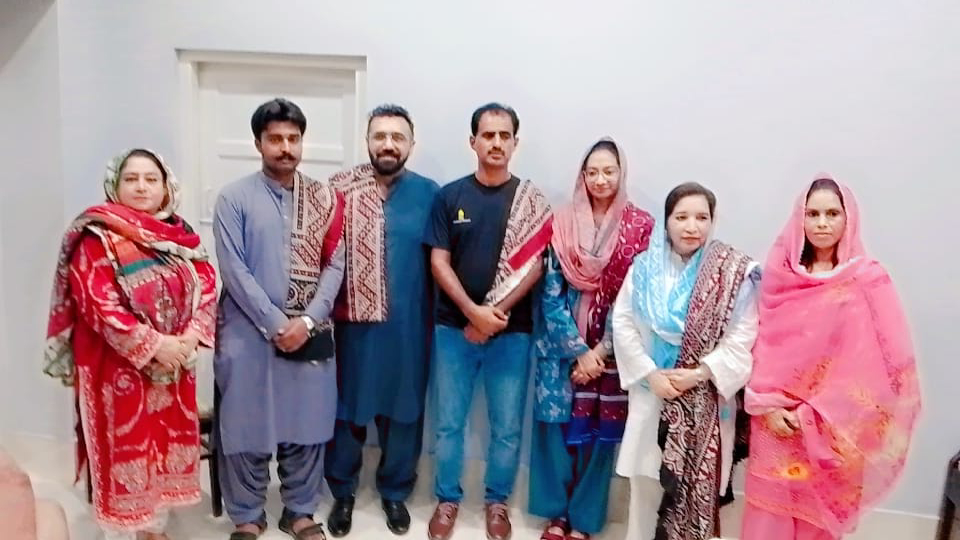
The workshop concluded with Ajrak presentations to all speakers, symbolizing Sindh’s cultural heritage.