Sindh-China Ties Gain Momentum as 36 MoUs and Huawei Digital Partnership Open New Opportunities
 Imran
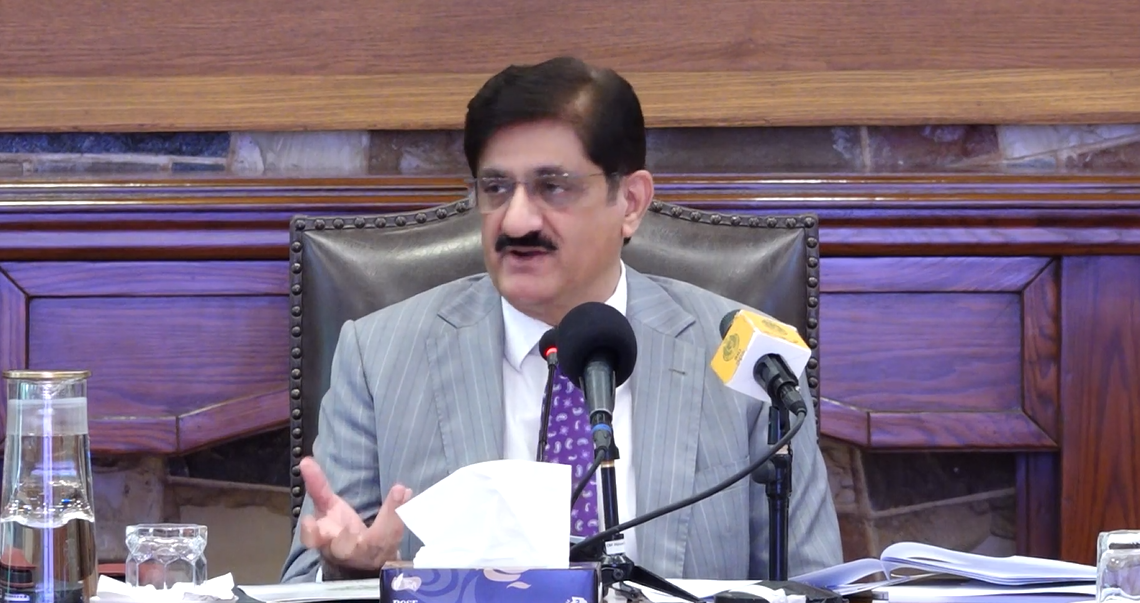
KARACHI: Sindh Chief Minister Syed Murad Ali Shah has briefed the provincial cabinet on the outcomes of his recent visit to China, highlighting fresh opportunities for investment, technology transfer and cooperation across energy, agriculture, water management, education, healthcare and industrial development.
The chief minister said the Sindh Investment and Trade Conference in Shanghai attracted more than 400 delegates and resulted in 36 memorandums of understanding (MoUs). Of these, 12 were signed by the Sindh government, five by Sindh Engro Coal Mining Company and 19 by private-sector companies.
The cabinet directed the relevant departments to follow up on the agreements and proposals and turn them into viable projects that generate employment, strengthen the provincial economy and improve public services.
The chief minister said Sindh and China's Hubei province had agreed to deepen their longstanding partnership through a proposed Joint Cooperation Council. Their relationship began in 2009 and was formalised through a sister-province agreement in 2021.
During the visit, the Sindh delegation toured the Three Gorges Dam to study its hydropower generation, flood-management and navigation systems. Chinese companies were invited to participate in the bidding process for Sukkur Barrage gates and explore opportunities in water-transmission and pipeline projects. A proposed sister-city arrangement between Yichang and Sukkur was also discussed.
In the energy sector, talks with Shanghai Electric Group covered Thar coal value addition, coal-to-chemicals technology, renewable energy, solar power and battery storage. The company also undertook to prepare a conceptual proposal for a seawater desalination plant for Karachi.
Agricultural cooperation featured discussions on hybrid rice seeds, sunflower and rapeseed cultivation, biofertilisers and agricultural research. One company reported that hybrid rice initiatives had increased yields in Sindh from 50 to 80 maunds per acre. The Agriculture Department was directed to examine the claim and explore opportunities to improve productivity through modern seeds, research and farmer training.
In education, the delegation visited Central China Normal University in Wuhan, reviewing AI-based teaching, smart classrooms, scholarships, teacher training and research partnerships. The university was invited to explore establishing a campus or joint academic programmes at Karachi's Education City.
The chief minister also announced a memorandum of understanding with Huawei to strengthen cooperation in artificial intelligence, cloud computing, smart cities, digital governance and data infrastructure.
He said Sindh had already made progress in digital governance, with cabinet meetings conducted through a fully digital system. Cooperation with Huawei could further improve public services, governance and the province's technological infrastructure.
Shah highlighted Karachi's strategic location, international connectivity and major seaports as potential advantages for establishing a large-scale data centre serving regional and international markets. Huawei has expressed interest in exploring opportunities in Pakistan, and a visit by the company's president is expected, according to the chief minister.
The chief minister directed the Sindh Investment Department and other relevant departments to maintain engagement with Chinese institutions and businesses and translate the MoUs and proposals into concrete projects.
He described the visit as successful and said cooperation with China should deliver tangible benefits for the people of Sindh through investment, technological progress, employment generation, stronger local industries and improved public services.